My voice - their voice
I really enjoy running my ideas through AI platforms and to add in the reflective questioning that can add impetus to my inquiry and practice as a teacher. It also can become a driving force for where my learners are heading.
The feedback was everything I was hoping for in ticking off what goals I had set for myself. The most pertinent piece of feedback was this recommendation, which I think will be hugely valuable going forward. Because this is what I am promoting after all - student agency:
Student agency and reflective talk: While you checked off criteria, the tamariki were not yet invited to articulate what was tricky or what helped them during the writing process.
Student agency is the power and ability of students to take an active role in their learning and in my case, is pushing my five year olds to become more independent -again a part of agency.
I need to add in my students' voice - what they think, what they find tricky, and also give them a chance to ask questions and reflect on their learning. That will further give them a sense of ownership over their learning.
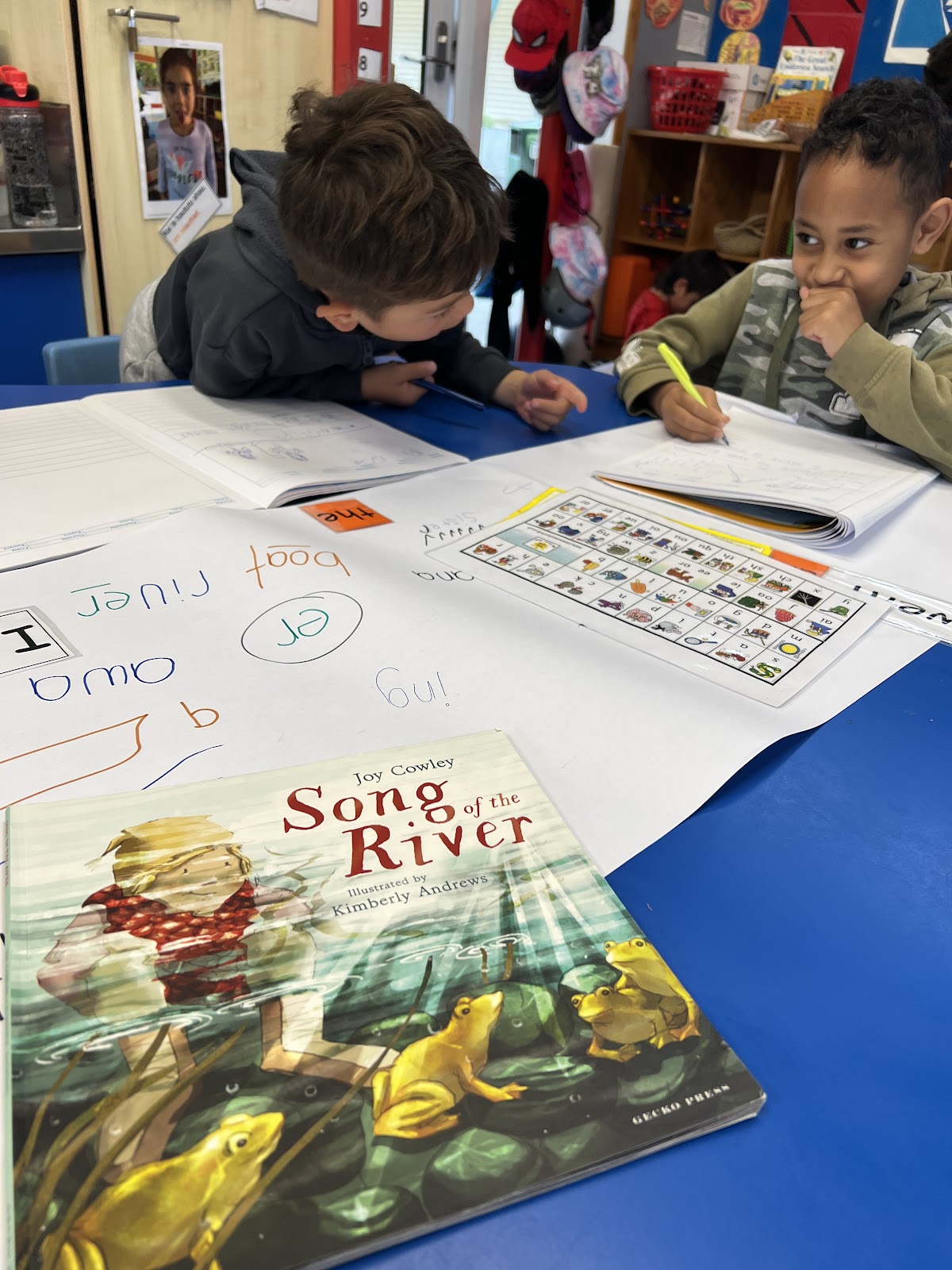
What was awesome about using the rubric was that it let my students have a visual that allowed them to unpack what they needed to be successful as a writer without cognitively overloading them with getting their two sentences down on paper. It helped them shape and direct their own learning, built skillsets around spacing, capitals and fullstops.
But in that process, which did motivate them, and allowed them to problem-solve; I think we missed two things - my voice, and their voice. We did co-create together, but because my mind was so set on the goal/outcome, I missed valuable moments to allow questions, and for us to reflect on that together.
The AI platform is great, but again, my authentic voice was missing - and so were the voices of the tamariki. And if my practice is to genuinely change so that they become critical thinkers, then we need to stop and have these genuine conversations.
However...my tamariki are 5 years old. Children begin showing early foundations of critical thinking as early as age three, with complex abstract and critical reasoning developing around ages 11-12. So while I can scaffold and use my DATs, I can still reasonably assume to include some early work to develop themselves as reflective learners.
When I throw about lofty phrases like critical thinking, it is still aligned to where they find themselves developmentally, but is still instilling in them that their voice is important, their questions are important and that things they notice about their learning are worthy of discussion.
While they are not ready for complex logic, they can test their ideas through the daily experiences of being in a class, and within the learning group.
Important ideas going forward so we don't get lost in the goals and the success outcomes are that we will be asking questions - how and why does this work? Why do we do this? What is tricky? We will be troubleshooting - figuring out what to do when we strike an issue.
I can involve my tamariki in discussions without drowning them in formal logic or technical vocabulary. That I am interested in what they are saying and that they are being listened to is important. I am valuing the content of what they are saying and asking. Their opinions stimulate their own brains and produces connections that promote learning, and cognitive and emotional development. Putting their effort into formulating questions that will be listened to, and the ensuing discussions, will hopefully produce the kind of reflective thought that is an investment in their pathways as learners.
In a roundabout way I am saying, the goal is the goal, but sometimes the path to achieving that is more important and I don't want to forget that.
In the middle of a busy class with heaps of dynamics and limited attention spans, I need to give myself space to achieve this.
Signing off as The Human Educator

Comments
Post a Comment